
Voices, music and traffic
Sound travels through the air and can pass through building elements, openings and gaps. The response may involve walls, ceilings, doors, windows and junctions together.
A quieter space starts with identifying how sound travels. Learn the difference between sound absorption and sound insulation, where glass mineral wool can help, and how our Knauf ceiling rolls fit into a complete building solution.
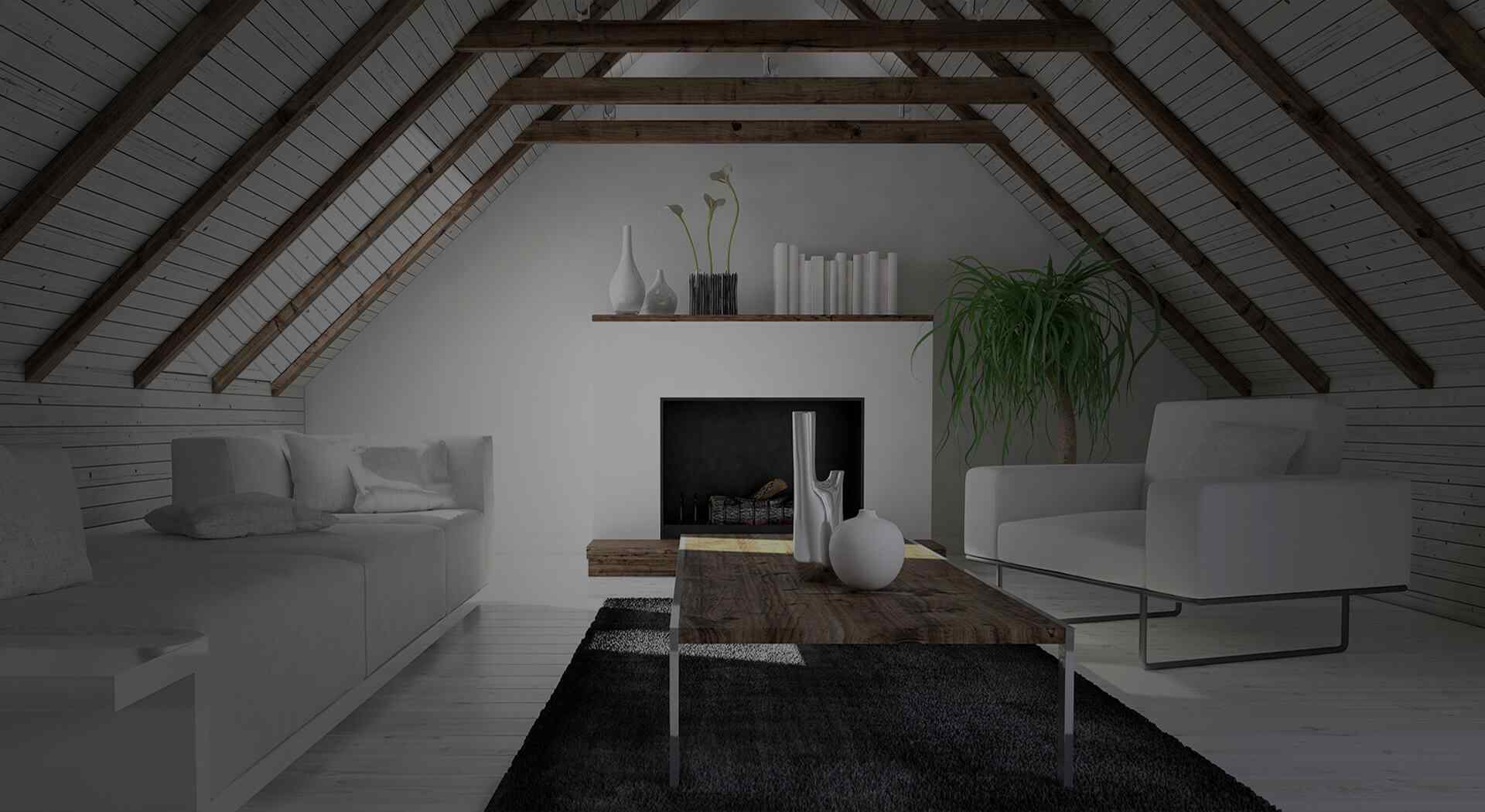
Acoustic insulation is often discussed as though every noise problem has the same solution. Voices from another room, footsteps above you and echo inside a room behave differently. Start with the source and the route the sound takes.
Sound travels through the air and can pass through building elements, openings and gaps. The response may involve walls, ceilings, doors, windows and junctions together.
Vibration enters the structure and travels through connected elements. Resilient layers, isolation and careful construction details may be needed; adding ceiling rolls alone is not a complete solution.
Sound reflects from surfaces and builds up within the space. Suitable absorptive finishes can reduce reverberation, but this differs from stopping noise travelling between rooms.
Both matter to acoustic comfort, but they describe different effects. A sound-absorbing material does not, by itself, make a room soundproof.
Porous materials such as mineral wool absorb some sound energy rather than reflecting all of it. In a suitable cavity, this can contribute to the acoustic behaviour of the assembly.
Absorptive room finishes can also help control echo. Insulation hidden above a closed ceiling should not be treated as equivalent to an exposed, tested acoustic ceiling or panel system.
Sound insulation describes how a building element limits sound transmission from one space to another. Linings, mass, separation, cavity treatment and airtightness work together.
Doors, windows, service openings and gaps can limit the result. A complete system needs to be selected and detailed for the sound problem being addressed.
Read Knauf’s acoustic performance guidance ↗ and the YourHome noise-control guide ↗ for the underlying principles. Overseas regulatory examples are not South African project specifications.
Glass mineral wool provides sound absorption and can contribute within a suitable building assembly. The performance achieved depends on the exact product, fitting, linings, framing and connections.
For ceiling projects, consider the complete ceiling and roof-space arrangement. Sound can bypass a separating wall through a shared void or follow other routes through the building. Filling one cavity does not address every path.
Our glass wool insulation guide explains the material. For the ceiling application and our product range, visit ceiling insulation.
Sound reduction is assessed for an assembly, such as a wall or floor-ceiling construction. Look for test information that matches the proposed build-up, rather than a claim for an insulation roll alone.
Rw and STC are measures used for airborne sound insulation. NRC and sound absorption coefficients describe absorption. They answer different questions and should not be used interchangeably.
A thermal R-value indicates resistance to heat flow. It does not establish a decibel reduction or a sound-insulation rating for your ceiling.
We do not assign a standalone soundproofing percentage or dB reduction to our four ceiling rolls. If a project has a specified acoustic target, confirm a suitable tested construction and the exact insulation product before ordering.
Dedicated Knauf Acoustic Roll and Acoustic Batt products are separate from the four Ceiling Roll thicknesses sold on this website.
We sell 50mm, 75mm, 100mm and 135mm Knauf Ceiling Rolls. These are glass mineral wool ceiling insulation products. The figures below describe thermal performance and coverage; they are not acoustic ratings.


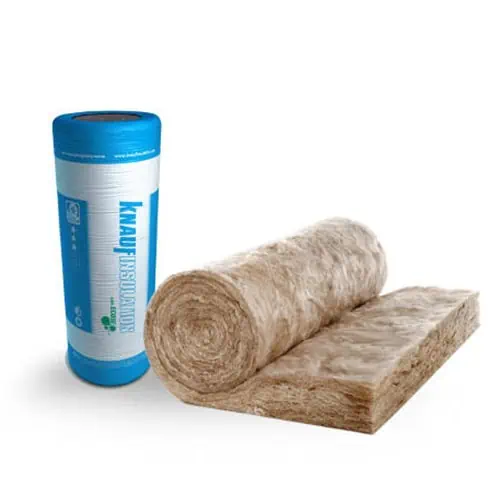

Do not rank these rolls for soundproofing using thermal R-value or thickness alone. Confirm suitability against the intended ceiling construction and any acoustic specification.
Describe the problem before choosing a thickness. We handle ceiling insulation installation enquiries in Johannesburg and Pretoria. Specialist acoustic design or soundproofing work may require a separate assessment.
Explain whether it is speech, television, traffic, footsteps, vibration or echo. Tell us where it seems to come from and which rooms are affected.
Share the ceiling type, approximate area, roof-space access and existing insulation. Photos you already have can help explain the layout.
Tell us whether you need a ceiling insulation quote or have a specified acoustic system. Supply the relevant construction details and product specification if available.
No insulation roll alone can guarantee a soundproof room. Results depend on the ceiling construction and other sound paths, including walls, openings and junctions. Assess the noise source and the complete assembly before specifying work.
Some materials can contribute to both thermal and acoustic performance, but the ratings and intended applications differ. Thermal R-values do not establish sound reduction. Use the exact product and system data for the performance required.
This website sells four Knauf Ceiling Roll thicknesses: 50mm, 75mm, 100mm and 135mm. Dedicated acoustic batts, Acoustic Roll, acoustic panels and soundproofing foam are not part of our current range.
There is no universal answer based on thickness alone. The product, cavity, linings and complete construction affect the result. For a specified acoustic target, use a suitable tested assembly rather than assuming the thickest ceiling roll is the correct choice.
Footsteps can transmit vibration through the structure. Cavity insulation may be one part of a designed floor-ceiling system, but resilient layers, separation and junction details may also be required. A ceiling-roll installation alone should not be promised as a solution.
Echo and reverberation depend on the surfaces exposed to the room. Material behind a closed ceiling is not equivalent to an exposed acoustic absorber. Consider suitable room finishes or a designed acoustic ceiling system for reverberation control.
Send your location, ceiling area, access details and existing insulation information through our contact page. If noise is the main concern, describe the source and the construction so the enquiry can be considered before a product is selected.
Ask about our 50mm, 75mm, 100mm and 135mm Knauf Earthwool ceiling rolls. Share your ceiling area, location and existing construction. If noise is your priority, describe what you hear and where it comes from so the application can be considered before you order.