
Slow heat entering from above
When the roof space is warmer than the rooms below, insulation above the ceiling helps reduce heat transfer into the living space.
Thermal insulation slows heat transfer, helping reduce heat gain in hot weather and heat loss when it is cold. Understand what R-values mean and compare the thermal performance of our four Knauf Earthwool ceiling rolls.
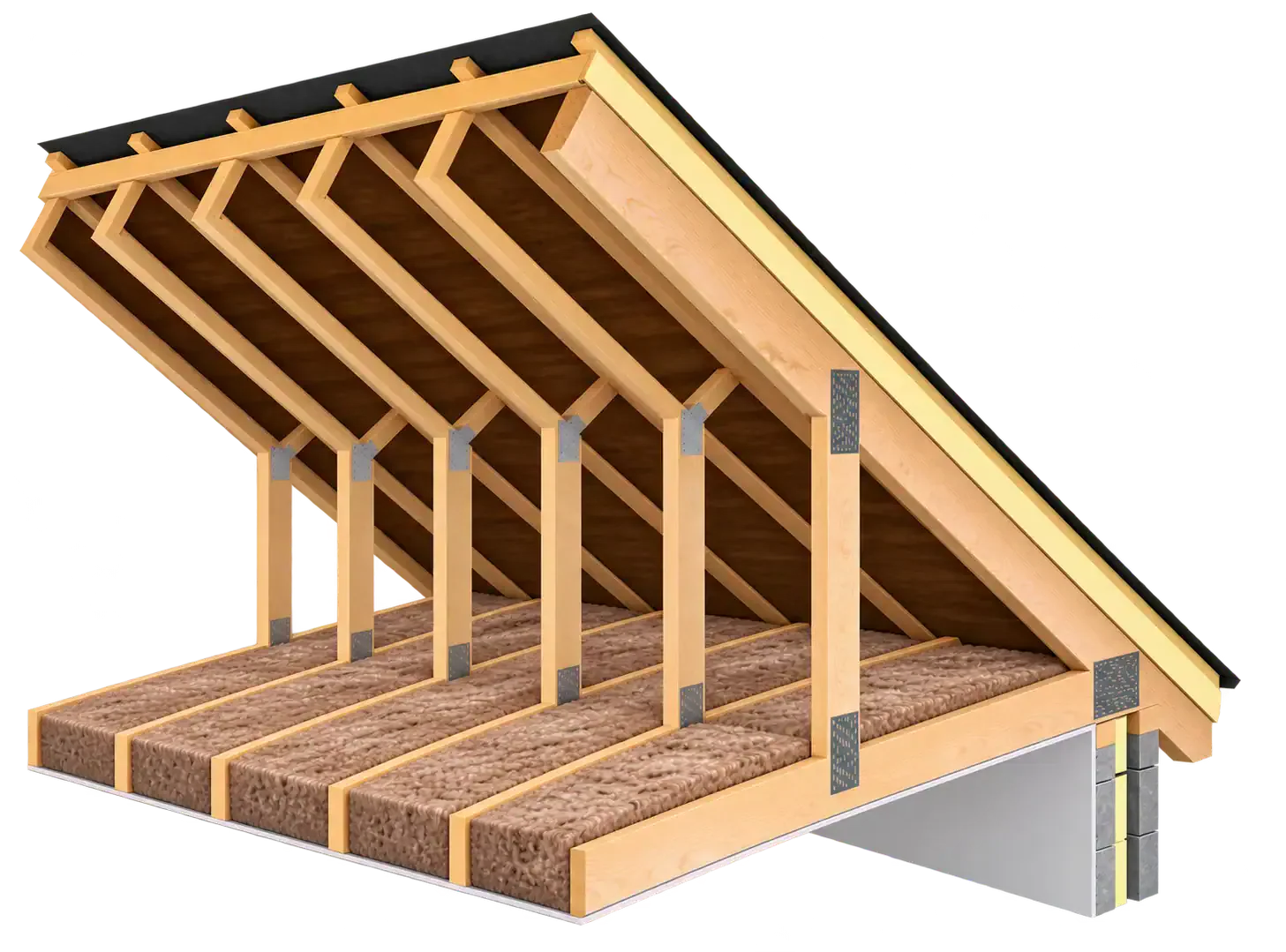
Heat flows from warmer areas towards cooler areas. Thermal insulation adds resistance to that flow. It does not create heat or actively cool a room; it helps the building hold a more comfortable temperature.
When the roof space is warmer than the rooms below, insulation above the ceiling helps reduce heat transfer into the living space.
When the rooms are warmer than the roof space, the same layer helps slow heat loss through the ceiling.
For an independent explanation of these principles, see the Australian Government’s guide to insulation and thermal performance. Local project requirements should be assessed separately.
An insulation R-value describes how strongly a material resists heat transfer. A higher value means greater thermal resistance. The South African product values below use m²K/W.
Compare products using the same units and test conditions. Thickness alone does not tell you how two different insulation materials will perform.
The material R-value is only part of the picture. The complete roof and ceiling construction, installation quality and heat paths through framing also affect performance.
Our range consists of four glass mineral wool ceiling rolls. These products are intended for pitched roofs insulated at ceiling level. Choose the thermal resistance specified for your project, then compare coverage and price.

22.80 m² coverage per roll.
View 50mm specifications →
15.36 m² coverage per roll.
View 75mm specifications →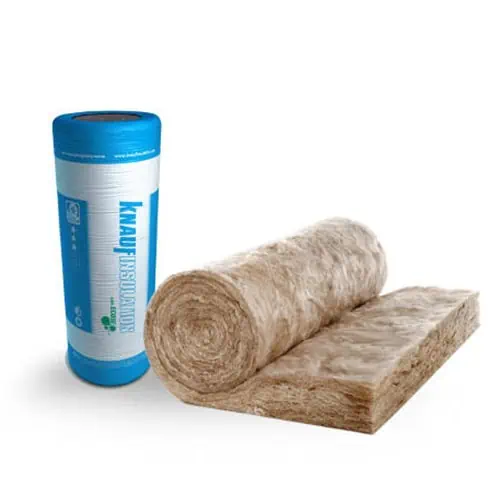
12.12 m² coverage per roll.
View 100mm specifications →
9.00 m² coverage per roll.
View 135mm specifications →South African material R-values at 23°C mean temperature. Dimensions and coverage are nominal. These figures are not the total R-value of an installed roof system.
Read the official Knauf Ceiling Roll datasheet · Compare current Knauf prices
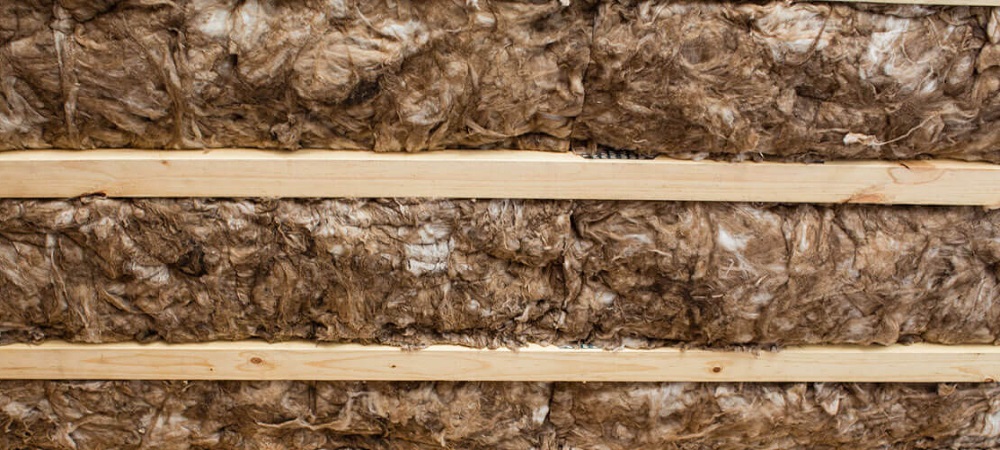
Gaps and poorly fitted insulation create routes for heat transfer. An installer should assess the existing layer, fit the specified product carefully and follow the manufacturer’s installation guidance.
Insulation does not replace roof repairs, air sealing or a ventilation strategy. These should be considered alongside the thermal upgrade.
Explore Ceiling Insulation →Start with the required thermal performance rather than choosing a thickness by price alone. The right specification depends on the building, location and existing roof and ceiling construction.
Ask your installer or building professional to confirm the appropriate specification for your project. A material R-value alone does not establish whole-roof compliance.
For an existing ceiling, check the insulation’s condition, coverage and thickness before deciding whether to replace it or add a suitable layer.
Use the declared R-values above, then visit the product page for specifications. Our roll calculator helps estimate the quantity for your ceiling area.
Keep the application in mind: our range is Knauf Ceiling Roll. For other applications, confirm product suitability with the manufacturer. Browse our insulation products and materials overview or learn more about glass wool insulation.
In building discussions, “heat insulation” usually refers to thermal insulation: material used to slow heat transfer. For an order, identify the application, product and required R-value rather than relying on the general term.
Thermal describes the function: resisting heat flow. Ceiling describes where the insulation is installed. Our Knauf ceiling rolls provide thermal insulation at ceiling level.
It can reduce the heating or cooling needed to maintain comfort. Actual savings depend on the building’s starting condition, climate, equipment and how it is used. A fixed saving cannot be promised for every property.
It means greater resistance to heat transfer through that insulation layer. Room temperature also depends on sunlight through windows, shading, ventilation, other building surfaces and heat generated indoors.
The 135mm Knauf ceiling roll has the highest material R-value in our four-product range, at R3.38. Suitability still depends on the project specification.
Visit the official Knauf Ceiling Roll product page for product information and downloadable documentation.
Compare 50mm, 75mm, 100mm and 135mm Knauf Earthwool ceiling rolls. Send your ceiling area, required R-value or specified thickness, and delivery location for a supply or installation quotation.